This article was first published in the Mail on Sunday
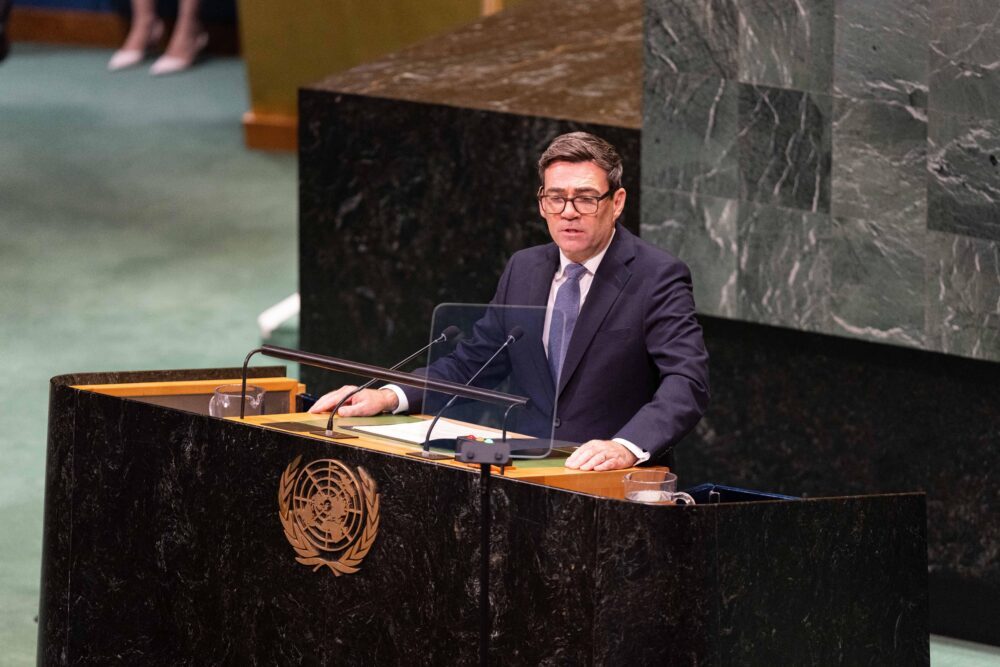
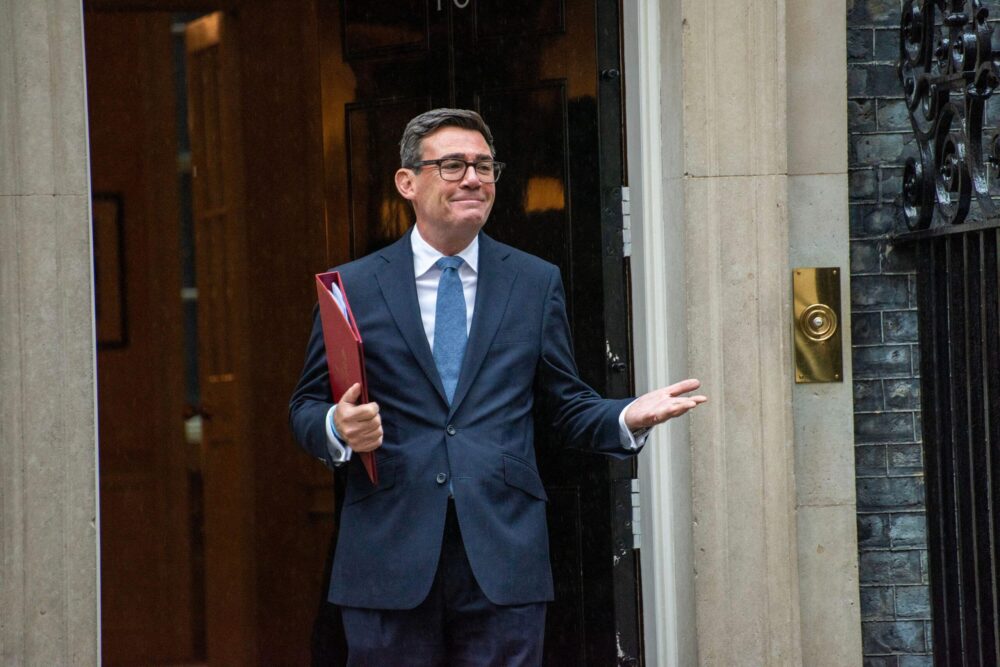
IF YOU HEARD any of Andy Burnham’s Labour conference speech this week, you may or may not have concluded that he has a plan to fix the country. But one thing is clear: he has a plan to win the next general election.
The prime minister’s pledges to set up a new National Care Service and bring back state ownership in water and electricity delighted his party. With Britain groaning under the weight of debt and taxes, you might think that ideas for massive extra spending are the last thing the country needs – in which case, you’re probably not part of Burnham’s target electoral market. Likewise if you doubt the wisdom of reopening the Brexit debate or changing the voting system to produce a perennial series of left-wing coalitions.
But that, from Labour’s point of view, is the beauty of the plan. Promising to reverse the political and economic direction of the last four decades (which included long stretches of Labour government, some of them featuring one A. Burnham, but never mind) is popular not just with the party’s own voters, many of whom had drifted away under Starmer. It also appeals to many left-wing backers of the Lib Dems and Greens, and potentially even some who backed the SNP on the grounds that Labour had become Tory-lite. The same applies to signals that Home Secretary Shabana Mahmood is being forced to retreat on her proposed immigration reforms.
As well as helping to unite the left, Burnham evidently hopes to create further havoc on the other side of the aisle. While left-leaning parties largely share an ambition for closer ties with the EU, the right is split: last month I found Tory-leaning voters three times as likely as Reform supporters to contemplate rejoining. Many in Reform might be tempted by a more proportional electoral system that could hugely increase their representation in parliament (having won 67 fewer seats than the Lib Dems in 2024, despite scoring nearly 600,000 more votes). Consolidating opinion on his own side while doing what he can to keep the right divided is central to his strategy.
At the same time, the plan represents a gamble for Burnham. Missing from his speech was any serious explanation of how his ideas would be paid for. Scrapping the pension triple lock was a bold and even brave thing to do, but those who called for it argued that it was unaffordable – not that it should be replaced by something even more expensive. Perhaps there are plans for cuts in other areas, which the PM somehow didn’t have time to mention in Liverpool. Nor did he show any understanding of how to create the growth and prosperity needed to pay for his ambitions, or any willingness to bring the ballooning welfare budget under any kind of control.
First contact between Burnhamite radicalism and fiscal reality will arrive with the Budget in just over three weeks. Will Chancellor John Healey show some steel and grapple with the unenviable choices that his boss pretends aren’t there? Or will we see yet more borrowing and still higher taxes on wealth creation? The latter seems more likely – and gives Kemi Badenoch a chance to build credibility among voters concerned about the state of the nation’s finances, and their own.
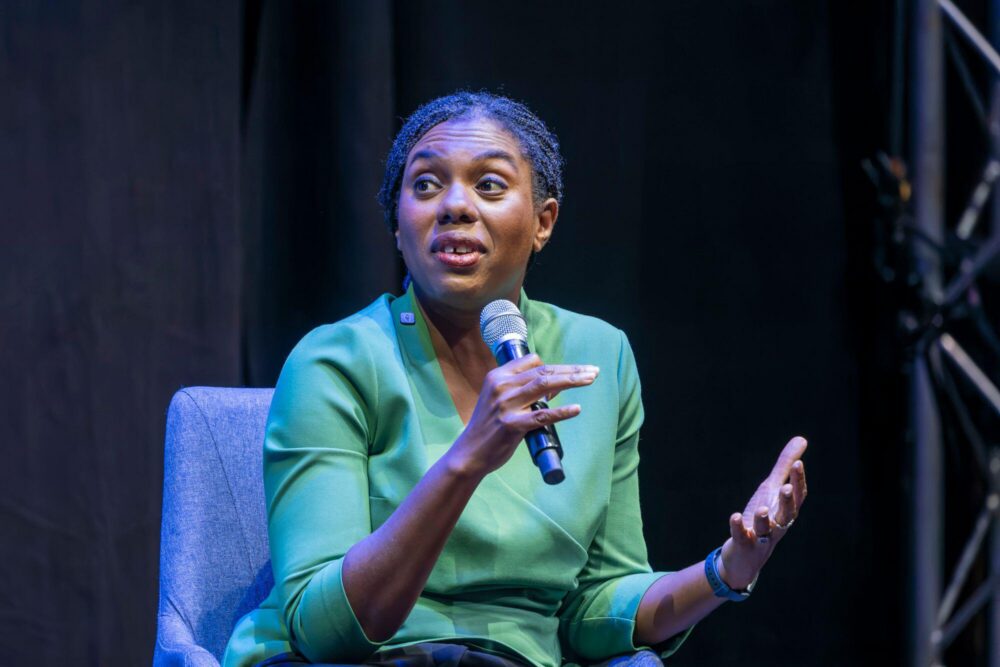
Badenoch heads to her conference today as the unquestioned leader of her party – itself a huge advance on the position twelve months ago. She has raised her profile and overtaken Nigel Farage as the right bloc’s preferred PM. The Conservatives have drawn level with or ahead of Reform in several recent polls, including mine, and I found just under four in ten voters saying that whether they like the idea or not, they could see the Tories getting back into government either at the next election or the one after – quite a turnaround for a party many thought was finished just two years ago.
But while she has cemented her position among Tory loyalists, won back wavering Conservatives and halted further defections to Reform, the party has yet to make real headway among those who switched to Labour or the Lib Dems in 2024 – precisely those voters whom Burnham hopes to hug close with the prospect of renewed EU membership. Badenoch will need to convince them that talk of rejoining would be a frivolous diversion for a country slowly going broke – no more of a magic bullet for the country’s ills than leaving was.
Instead, she can talk about the real problems. My poll found strong support for her new policy of cutting benefits for the long-term unemployed who are deemed able to work and preventing benefits being spent on booze, tobacco and gambling – a bracing contrast to Burnham’s declaration that national security “can’t come at the expense of social security”. As those who work grow ever more exasperated at paying for those who won’t, consternation mounts at the cost of Labour’s schemes and doubts linger about Reform’s suitability for government, this is a moment to seize.
So far, many who are impressed by Badenoch are a good deal less convinced by the Tories overall. “She’s strong, she comes across well, she’s good at challenging, but she’s in a party that’s like a smoke alarm with a low battery,” as a man in my recent focus groups put it. “You’ve got used to the beeping, so it doesn’t mean anything anymore.” This week is a chance to start closing that gap. Badenoch has control of her party. Now she has to command the country’s attention with a credible plan to put things right.