This article was first published in the Mail on Sunday
IS POLITICS GOING back to normal? Since the conference season, polls have shown combined support for Labour and the Conservatives creeping up while Reform and the Greens fall back. My latest survey – which differs from most by asking people how likely they think they are to vote for each party at the next election, rather than which they would pick in an imaginary contest tomorrow – puts Nigel Farage’s once insurgent party firmly in third place.
Meanwhile, the Republicans’ spanking in the US midterm elections not only confirms that Americans are wearying of Donald Trump, but prompts some to wonder if the populist era itself is on its way out. What is going on?
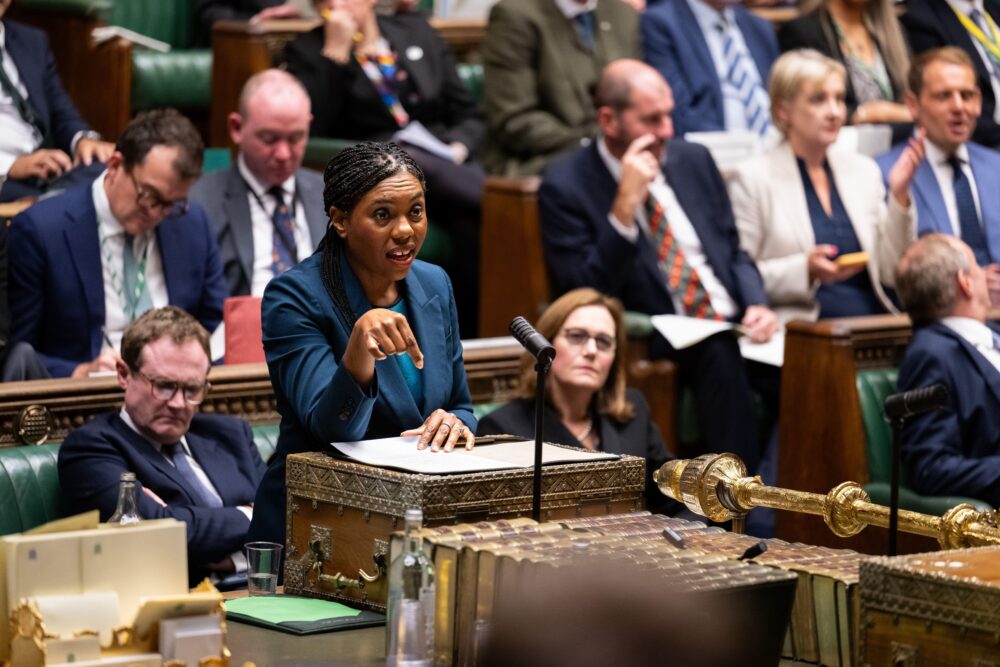
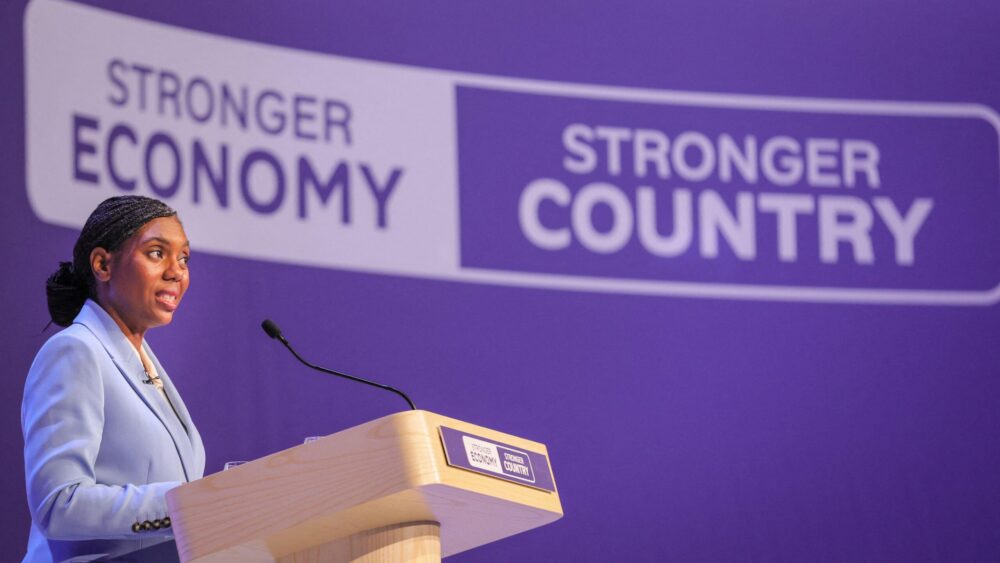
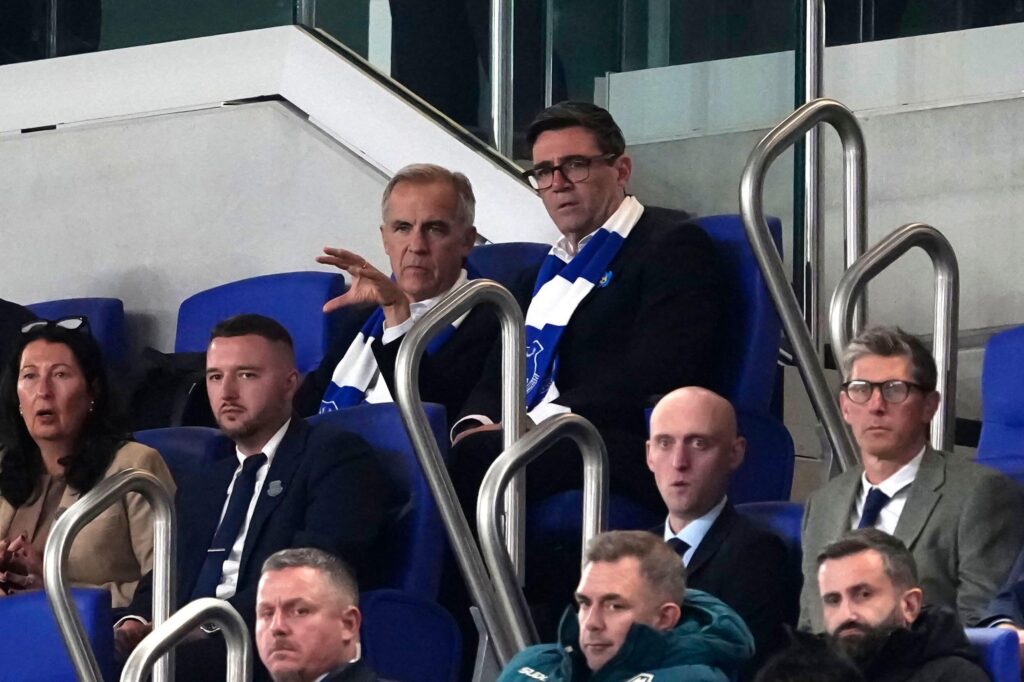
Here, one reason for the shift is that what we used to think of as the two main parties are showing signs of life. Andy Burnham and Kemi Badenoch both have more voters saying they are doing a good job than a bad one – a startling reversal of recent history for a PM and opposition leader.
Burnham manages to connect with people and hold out the promise of a “proper” Labour government in a way that Sir Keir Starmer – with the emphasis on the Sir, where his party’s disgruntled voters often put it – never could. In my recent focus groups people praised his social media game, plans for a National Care Service, “moral compass” and habit of “doing half marathons in his dirty old Everton socks.” Badenoch continues to make an impression, with voters saying she seems strong, direct, principled and articulate, with more common sense and “better energy” than her recent predecessors. Several noted with approval the Tory plan, unveiled at last month’s party conference, to scrap inheritance tax on family homes.
At the same time, the alternatives are beginning to look less attractive. Suspicions over dodgy donations, unsavoury activists, and questions over seriousness and competence have combined to stall Reform’s momentum. Chillingly for Farage, we have also started to hear former enthusiasts grumble that he has become part of the establishment, both financially and politically. This group increasingly likes the look of Restore and Rupert Lowe, whom they see as an honest, decent patriot (even if some of his ideas are, in the words of a tentative supporter, “a bit close to the knuckle”).
At the same time, Zack Polanski and the Greens have sabotaged their own standing and begun to repel voters who recently saw them as a progressive alternative to Labour. For many potential supporters, the party’s new “Zionism is racism” policy has made it seem not just concerned about Palestinians in Gaza but hostile to Jews in Britain – and far from the environmental platform on which the party was founded.
Despite all this, it is too early to declare that the great political realignment of the last decade has been cancelled. Even some Labour leaners are wary of Burnham’s everyman shtick (“He starts everything with a joke, ‘I was down the pub and we were having a few pints’, and then the next thing you know it’s ‘oh we’re going to do this with your money now’,” one woman observed). Many of those paying attention to Badenoch have not forgotten what they remember as the chaos of her party’s Johnson-Truss era and are still bitter about how things turned out: “They’re like an ex-girlfriend at the minute,” said one ex-Tory voter not yet ready to recommit.
More importantly, there remains a sense that with Burnham barely more than a hundred days into the job there are big things still to be resolved: the two big things, indeed, which sparked the disruption in the first place.
One of these is the question of how – or even whether – the country is going to live within its means. John Healey’s Budget hardly amounted to a reckoning on this score: Burnham’s promise to bring down the welfare bill “in a Labour way” so far seems to mean “very slowly, if at all”. Nor do people feel the Chancellor’s measures will make them much better off: “Every time you fill up your tank you give the government eighty-odd quid, and they give us 4p back in gherkins,” as one unimpressed former Labour voter put it to us.
The other is the UK’s relationship with the European Union. The view that Brexit is to blame for Britain’s ills, from a stagnant economy to illegal migration, is one of the things that unites voters across all parties of the left – hence, no doubt, Burnham’s regular touting of the issue. I found a majority saying that in a new referendum they would vote to rejoin, but I suspect this support is shallow. For one thing, voters heavily oppose joining the euro – a condition for countries applying for EU membership – and the idea of paying a higher membership fee than we did before we left, which would surely be the case. Just as important, many who like the idea in principle recognise that it would not be an answer to, and would in practice be a huge distraction from, the deep problems Britain faces.
Even so, these two issues look set to dominate the rest of this parliament. How long that might be is another question. Despite speculation that Burnham might take advantage of his honeymoon and dash to the polls, I found little appetite for an early election. Only a quarter of voters want a contest as soon as practically possible, and Labour supporters are even less keen than that – partly because they think a later date boosts Labour’s chances, but mostly because they want Burnham to deliver something tangible and improve their lives. This, as Trump’s Republicans found to their cost, is what matters.