This article first appeared in the Mail on Sunday
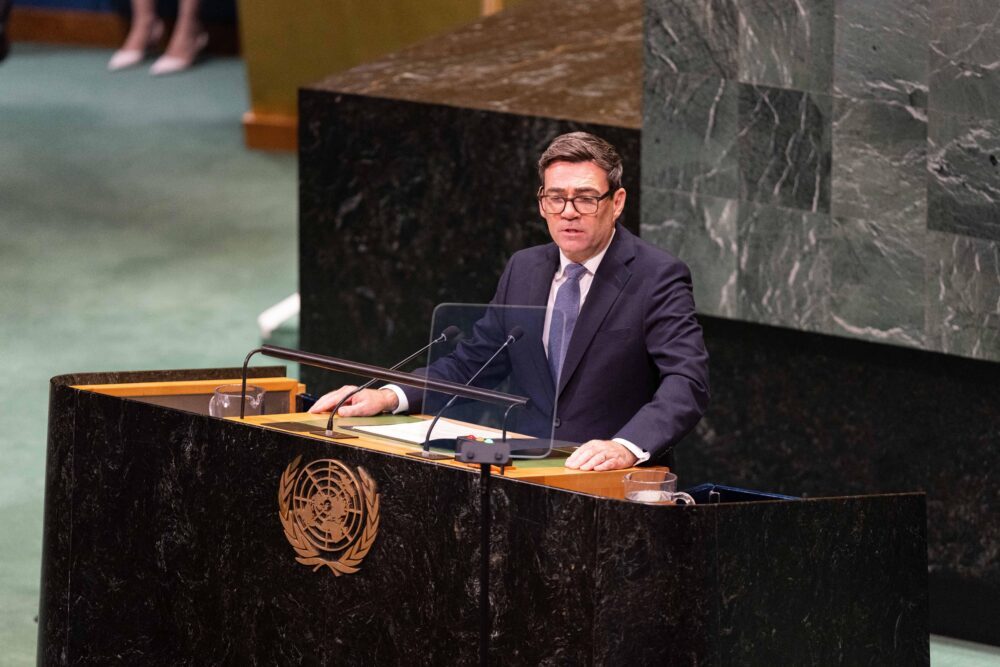
WITH THE LAUNCH of Andy Burnham’s by-election campaign, Britain entered a sort of political limbo. Only six people in a hundred think Keir Starmer will still be prime minister after the next election, but even more uncertain is whether he will still be in Number 10 in a few weeks – and if not, who will.
The electors of Makerfield find themselves in an unusual position. Those who want to oust the PM and bring down the Labour government in its current form will have to vote… Labour. Any who think Starmer is unfairly maligned, is doing a reasonable job in impossible circumstances and deserves more than two years in office after a decade and a half of the Tories (and such people exist in greater numbers than you might think) would be best advised to vote for Reform UK. It is, as the philosopher said, a funny old world.
We will know in just over a fortnight if the Wigan constituency has agreed to serve as the vehicle for Burnham’s ambition or whether – from despair with Labour, the lure of Reform or sheer British bloody-mindedness – they decide to throw a spanner in the works. There is, after all, something about the spectacle of politicians carving things up among themselves that rubs people the wrong way (“it would be very funny if he didn’t get in,” chuckled someone in my focus groups last week).
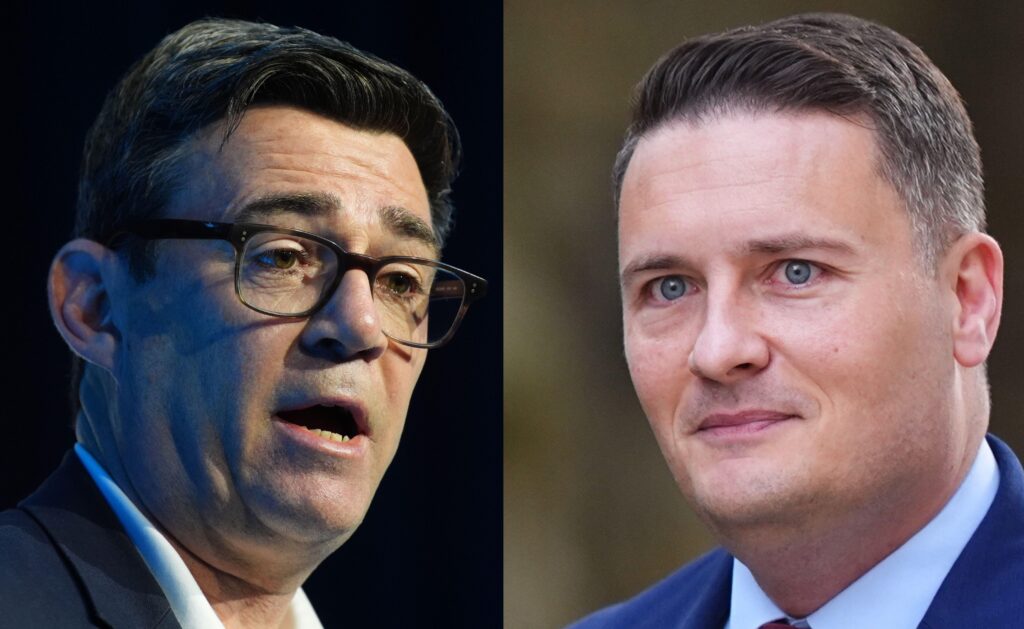
If Makerfield declines to comply, the threat to Starmer persists. Wes Streeting has declared his intentions, after all. In my groups, those who had a view of Streeting at all rather liked him. He seemed to them less argumentative and more approachable and “normal” than most politicians, although some wondered if a “nice man” was what Britain needed at the moment. For those with better things to do than follow the political soap opera, he was a blank page (“I only heard of him on the news on the way here just now,” another remarked).
Angela Rayner, also a possible contender if Burnham is sent packing to his mayoral parlour, continues to provoke strong views on both sides. But if she thinks being cleared by HMRC over her £40,000 stamp duty underpayment is the same thing as being cleared by the voters, I fear she is mistaken. “She lost her job because of the tax dodge, and suddenly she’s back in like it never happened!” observed one of our participants. Others sensed a stitch-up: “They don’t clear anybody normally, do they, once HMRC get hold of you. That wouldn’t happen for a normal person if they hadn’t paid their taxes.” The mistrust lingers.
Rayner’s supporters would no doubt point to Green leader Zack Polanski, his apparent failure to pay council tax while living on a houseboat and the bizarre embellishments to his employment history. Green partisans, in turn, would deflect the conversation to Nigel Farage and his £5 million gift from crypto entrepreneur Christopher Harborne, which would prompt Reform UK enthusiasts to revive tales of PPE contracts for Conservative cronies, and so it goes on. As we have seen time and again with Donald Trump, partisans are unmoved by their heroes’ flaws, not least because they care more about what they will do than about how they behave. The main effect of these stories is that outsiders hoping to seem new and different soon look like any other politician.
My polling finds both Streeting and Rayner behind Kemi Badenoch in the best PM stakes, while Burnham would lead by 13 points. If Makerfield says yes to Burnham, a successful challenge to Starmer has become the expectation. But then what?
Just under four in ten Labour voters – a fair chunk, but by no means all – think the government would change for the better if Starmer were replaced. In my groups, impressions of Burnham tend to be positive; people say his administrative experience, election-winning record and evident popularity must count for something.
But for voters as a whole, the most likely outcome of a change of Labour leadership is that things will continue pretty much as they are. Tony Blair won’t be thanked for pointing out that Labour’s problem is not the personality of its leader but that it lacks a “worked out, coherent plan for the country” (the party will seemingly never forgive him for being the most successful leader in its history) but he’s right. Not only that, people fear a resumption of the endless leadership circus they thought they had thrown out with the Tories.
This is also part of the reaction when we talk about rejoining the EU, as favoured by Streeting and once (until he had a Brexit-voting constituency to contend with) by Burnham. Just over half say life in Britain since we left has been worse than if we had stayed, and the same proportion said they would vote to return. But dig deeper and there is little appetite to restart the Brexit wars, or to comply with the likely conditions. A clear majority oppose adopting the euro, a legal prerequisite for countries seeking to join. Even more say it would be unacceptable to pay the higher membership fee that Brussels would surely demand.
The parallels between Brexit and the Labour leadership are striking. Rejoining the EU is no more the answer to Britain’s woes than replacing Starmer is the answer to Labour’s. Neither addresses the real problems: an unproductive economy and a state that spends more than the country can afford. The leader who grapples with those things – from whichever party – will deserve to win.