This article first appeared in the Mail on Sunday
HOWEVER WE FEEL about politicians, we should all spare a thought for whichever luckless minister is ordered out on Friday morning to face the media and explain away Labour’s monstering in the local elections. Their one crumb of comfort will be that the Conservatives are probably in for a kicking of their own. Between them, Labour and the Tories face losing council seats in unprecedented numbers as Reform and the Greens seize their former fiefdoms.
Our luckless minister will claim that it’s just the usual midterm blues, to be expected for a government after a tough couple of years, but he or she will know it isn’t true and so will everyone else. Labour are in dreadful trouble, and as most voters in my latest poll believe, the results will reflect people’s verdict on the party in general and the Keir Starmer in particular.
The endless Mandygate saga means Labour are having to campaign against a backdrop of dishonesty and hypocrisy. But it would be doubly ironic if Starmer were to end up having to go because of some point of bureaucratic procedure. First, because (Mandygate aside) bureaucratic procedure is not so much what Starmer does, it’s what he exists for. And second, because not even one voter in four thinks that appointing Peter Mandelon our ambassador to Washington is among the worst things this government has done. When I ask people in focus groups what if anything the prime minister has done to annoy them, the answers are many and varied – but Mandelson is almost never mentioned. Depending on your political outlook, failing to stop the boats, raising taxes, splurging on welfare, net zero, giving away the Chagos Islands and – especially if you’re Green-curious – allowing arms sales to Israel probably rank higher on your personal Starmer charge sheet.
But Labour’s problem goes well beyond Starmer, and beyond even the catalogue of mishaps, failures, U-turns, bad decisions and absent leadership that have characterised its twenty-two months in office (yes, that really is all it’s been). This is because whoever replaced him as leader would be stuck with a party whose MPs, members, activists and core voters have no more appetite to tackle the country’s real problems than Starmer has, and perhaps even less. Quite apart from their unwillingness to act on migration and crime, they want to carry on raising public spending at a time when the markets – or to put it another way, reality – simply won’t tolerate it. This means ever-higher taxes, less growth and more dependency.
The debate over whether and how the government should help with rising gas and electricity bills neatly illustrates the point. My poll found a majority saying either that the state should help everyone, or that it should only help households up to a certain income – including their own. The means test has been replaced with the “me test”: it’s fine to have a cut-off as long as I still qualify. You can see how it’s happened – raising taxes and freezing thresholds means ever increasing numbers paying more and more and wanting something in return; in my focus groups, there was real indignation among working people at the idea of restricting support with energy bills to those already claiming benefits – but this is how a country starts to circle the economic drain.
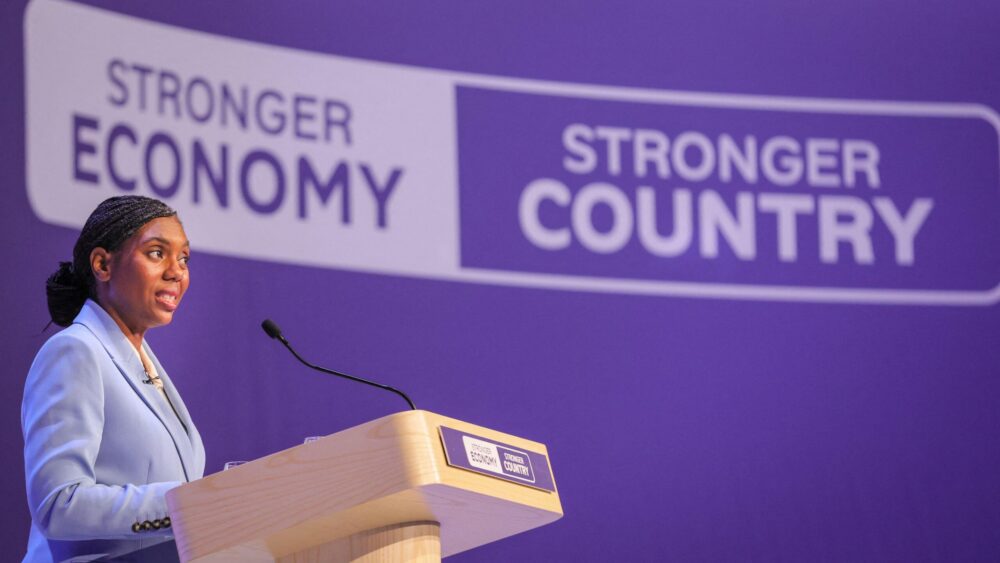
The political atmosphere going into the local elections is in some ways quite different to that of last October. During the party conference season, the question was whether Kemi Badenoch would be able to survive the pasting the voters were sure to give the Conservatives in May. Six months later, little has changed on the ground – the pasting is still on its way – but the relative positions of Starmer and Badenoch have shifted. Six in ten 2024 Tories say they are satisfied with her leadership of their party, compared to fewer than a quarter of Labour voters who say the same of Starmer. Nearly three times as many Labour voters as Conservatives say they are unhappy with their leader and want a change.
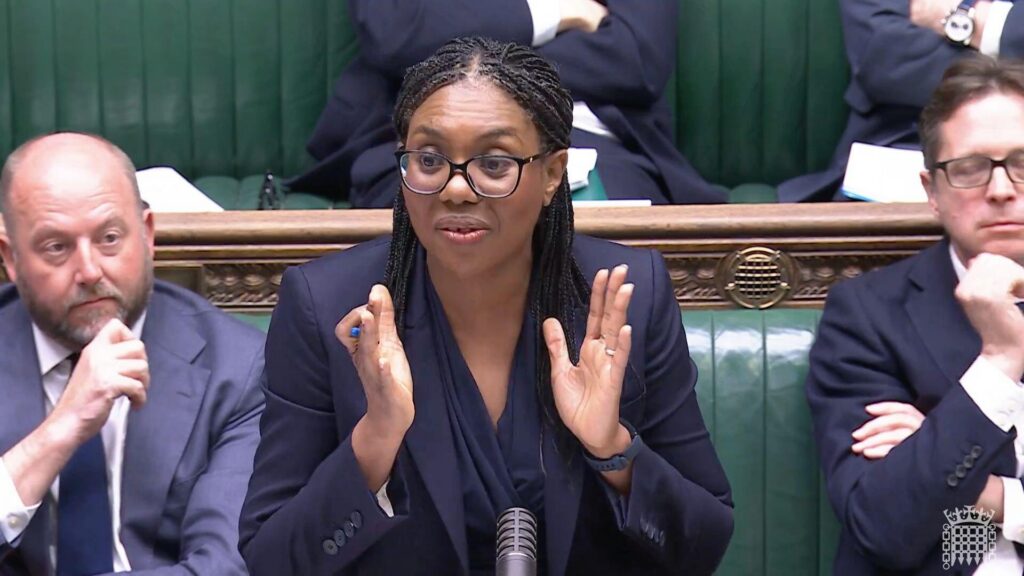
But while Starmer can’t catch a break, the Conservatives have troubles of their own. Over the last year, the proportion of Tory voters saying Badenoch would make a better prime minister than Starmer or Nigel Farage has doubled, and she took the opportunity to push out her most threatening challenger before he jumped. Her profile outside Westminster is rising, and her ritual duffings up of the PM during set-piece parliamentary occasions gladden hearts across the country.
The snag is that she is the only thing people can see that is better or even different about the Conservative Party today compared to the version they sent packing nearly two years ago. Voters are twice as likely to say they like Badenoch but dislike the Tories as the reverse. You might say that while Labour has a Starmer problem (among many others), Badenoch has a Tory problem. Smart, feisty and capable though she may be, some say, would another Conservative government be any more reliable than the last one?
To convince voters, the Tories will need to offer a serious analysis of what is wrong and how to fix it, rejecting the easy answers and supposedly cost-free solutions on offer elsewhere. In doing so they will have to triangulate against not just Labour and Reform, but their own past.