This article was first published in the Mail on Sunday
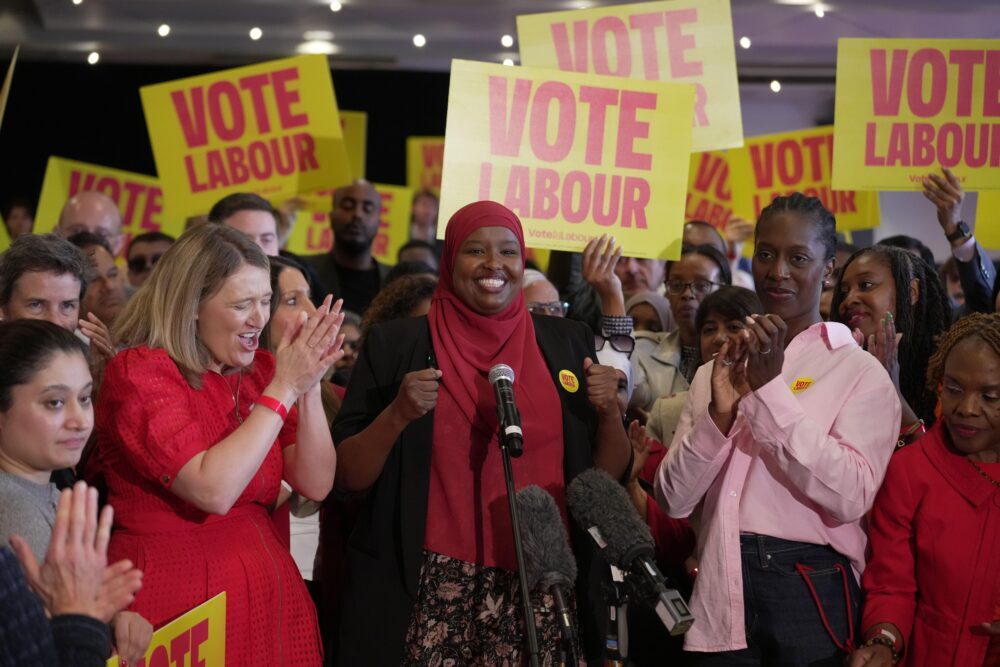
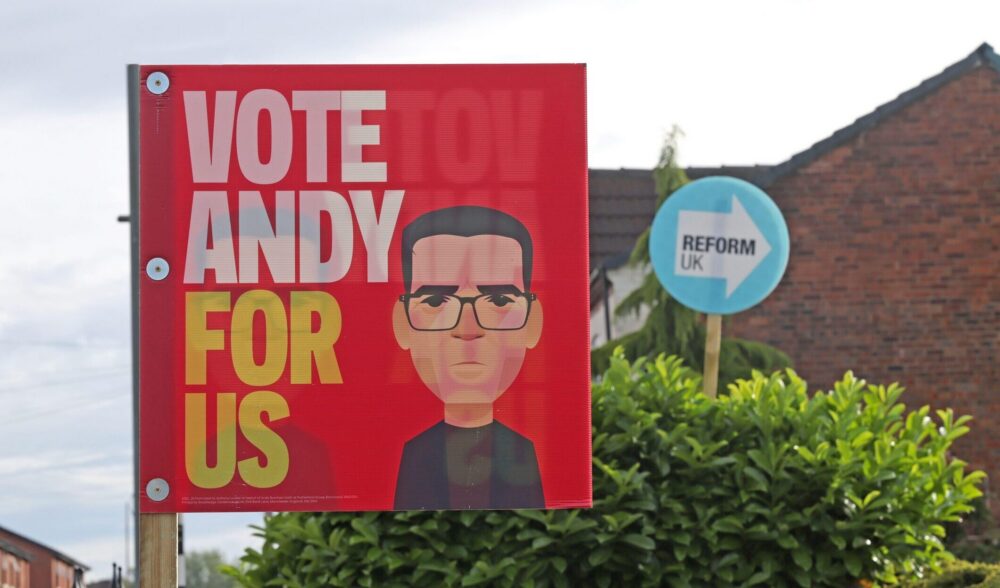
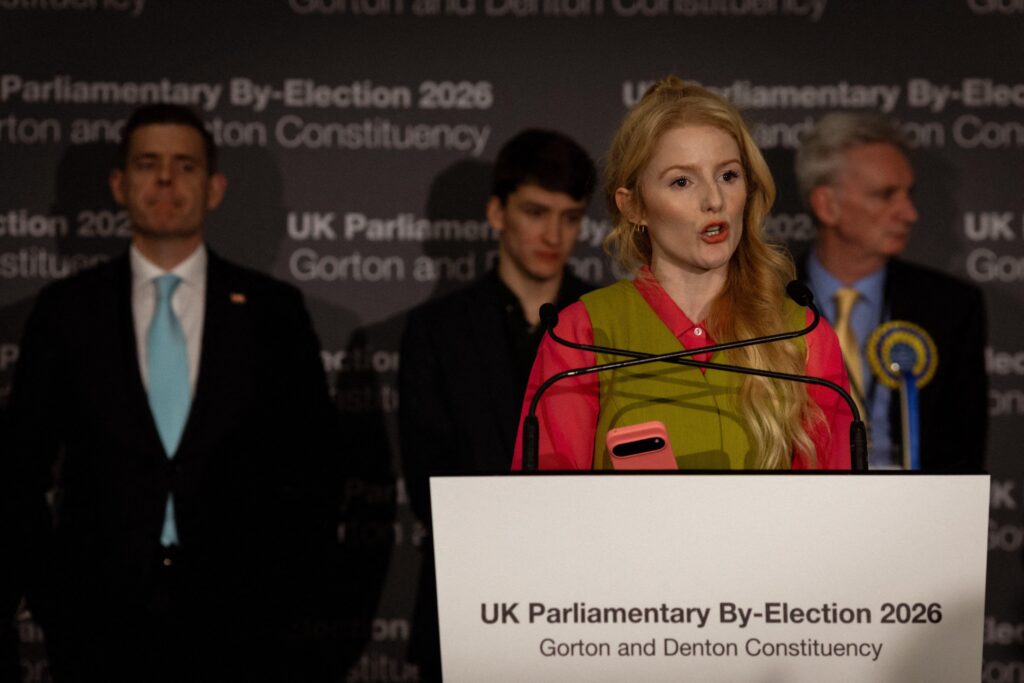
THAT WENT WELL, THEN. Labour’s message to the voters of Gorton and Denton was that only they could stop Reform. The Greens, and the voters, proved them wrong.
One notable point about Thursday’s shattering result is that between them, the three left-wing parties – the Greens, Labour and the Lib Dems – scored exactly the same vote share as they did at the general election. This will be absolutely no comfort to Keir Starmer, but it will encourage those who hope that voters who don’t want to see Reform in office will find a way to keep them out.
My polling finds voters on the left overwhelmingly saying they are prepared to vote tactically to stop the right – in principle. But this relies on two big assumptions. One is that people will always know which is the smart tactical choice in their constituency, with each party claiming that only they can stop the common enemy.
The second, much bigger, problem is that in many seats it relies on supporters of other parties being prepared to turn out and vote for an unpopular Labour government that they never liked. By the next election, these people will have spent four or five years complaining about Labour’s stance on Gaza, their (as they see it) pandering to the right on migration, winter fuel cuts, student debt, and the absence of any kind of progressive zeal. These voters want change. The idea that they will hold their noses and vote for more of the same – rather than a party that excites them and has real momentum – grows ever more fanciful.
More likely, it seems to me, is that the parties of the left will increasingly turn their fire upon each other. Far from uniting against the right, the Greens – together with the SNP and Plaid Cymru – will see themselves as the rebel alliance against Labour’s Death Star, with Keir Starmer in the role of a down-at-heal Darth Vader. With local council, Scottish Parliament and Welsh Senedd elections in a few weeks, the idea that the smaller parties represent a wasted vote is out of the window.
Outside the left-wing universe, voters complain about the broken promises not to raise taxes, to take the sleaze out of politics and put the grown-ups back in charge – not to mention winter fuel, the failure to grip illegal migration, two-tier justice, the cost of living, ever greater burdens on business and PM’s apparent inability to make a decision and stick to it.
Yet a couple of weeks ago Starmer came within an ace of losing his job for appointing Peter Mandelson as an ambassador. I found many voters willing to give him the benefit of the doubt over this debacle – but not on the way he is running the country. “For me, it’s not the decision that would make me think ‘oh God, you should go’,” one woman told us. “There’s lots of other things he’s done that make me think that, but that’s not one of them.” The situation amounts to another metaphor for the state of our politics: a preoccupation with process and personality over the things that affect people’s daily lives.
Starmer survives for the time being. But now that he has lost his chief of staff and other key confidantes, those who understand the byzantine machinations of the Labour Party say he is at the mercy of the “soft left” (not to be confused, presumably, with the crunchy left, the salted caramel left and the smooth hazelnut praline left). The Green threat could also push the party in a more resolutely leftward direction. If so, it might test to destruction the idea, often heard in my research, that it would be better to have a government that believed in unpalatable things than one that didn’t know what it believed.
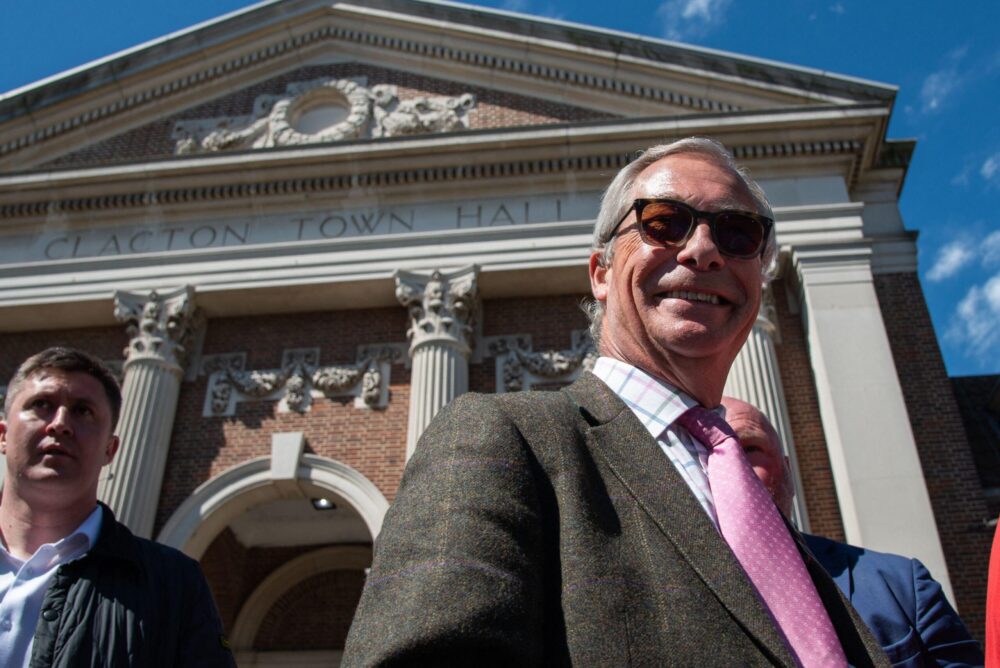
On the other side of the fence, Reform will also be reflecting on the by-election outcome. Doubling their vote share since the general election was an impressive performance, though I suspect they will be disappointed. Recent weeks have highlighted two competing challenges for the party: lack of governing experience and the perception that they are (as nearly half of voters in my poll agreed) “a bit like the Conservatives, in a bad way”. The unveiling of Nigel Farage’s new senior team illustrated the problem. I found that while Reform-curious voters understood the need for government experience, some were not sure the line-up of familiar faces from the Johnson-Truss-Sunak years was exactly the change they were looking for. “It wasn’t the original plan, was it, to be a load of failed Tories?” one observed. “It seems to dilute it a bit.”
But the recent exodus is also a continuing headache for the Conservatives, signalling that the defectors saw little prospect of imminent recovery where they were. And though creeping slowly up, the numbers saying the Tories have learned and changed since their electoral defenestration remain low.
Here there is a contrast with Kemi Badenoch herself, who continues to gain recognition with her feisty performances in the Commons and elsewhere (“she’s got a bit of bite,” as one new admirer put it). With her most dangerous internal opponent gone, she has begun to rally disheartened Tories and pique the interest of the broader public. Voters increasingly think she has earned the right to a hearing. The question is what she is able to do with it.